
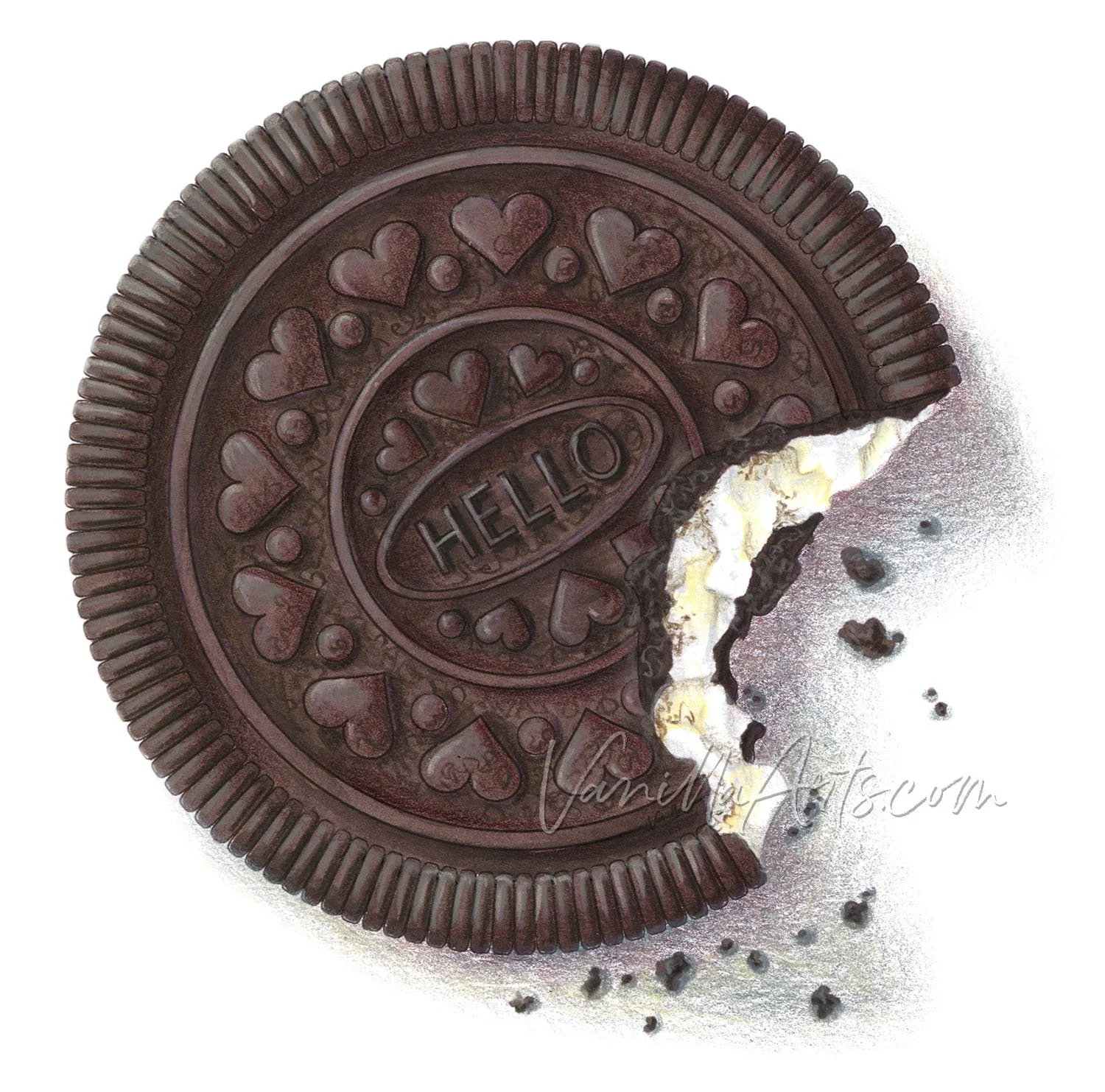
WHERE DO YOU GO FROM HERE?
Blend and Point teach the tools we use to color with realism.
Now let’s find the next skill, workshop, or community that's right for you.
Blend and Point cover basic marker and pencil skills…
But understanding how to use a tool isn’t the same as knowing what to do with it.
Colorists also often appreciate extra instruction on Amy’s unique approach to:
cast shadows
underpainting decisions
reading photo references
independent decision-making
Eventually, Color Wonk is the place where these skills begin working together.
Use the guide below to find your next step.
QUICK LINKS
Butterfly Shadows (Cast Shadow Technique)
Real Crayons (Underpaint Selection)
Box of Colors (References for Independence)
Color Coach Program
THE FOUNDATIONS
Blend and Point teach the two core tool systems behind realistic coloring.
Markers and colored pencils behave very differently, which is why the courses are taught separately.
Most students eventually take both.
THE BLEND
Beginner Marker Blending
Learn the marker half of realistic coloring:
smooth blending
simple underpainting & basic rebel blending
choosing marker paper
how alcohol inks work & how to read cap numbers
the role of colored pencils in marker art
The Blend focuses almost entirely on alcohol markers and was designed to work together with The Point.
THE POINT
Beginner Colored Pencil Layering
Learn the colored pencil half of realistic coloring:
vibrant color layering
pencil control & pressure adjustment
building believable color slowly and intentionally
understanding opacity & translucency
the role of alcohol markers in colored pencil art
The Point focuses almost entirely on colored pencils and was designed to work together with The Blend.
Already confident with one of these mediums?
SPECIFIC REALISM CHALLENGES
Sometimes the missing piece isn’t a full foundation course.
Amy uses a few unique techniques and once you master them, realism gets a lot easier.
These workshops were created to deep-dive on techniques you’ll use in intermediate to advanced projects.
CHOOSE YOUR OWN UNDERPAINT MARKERS
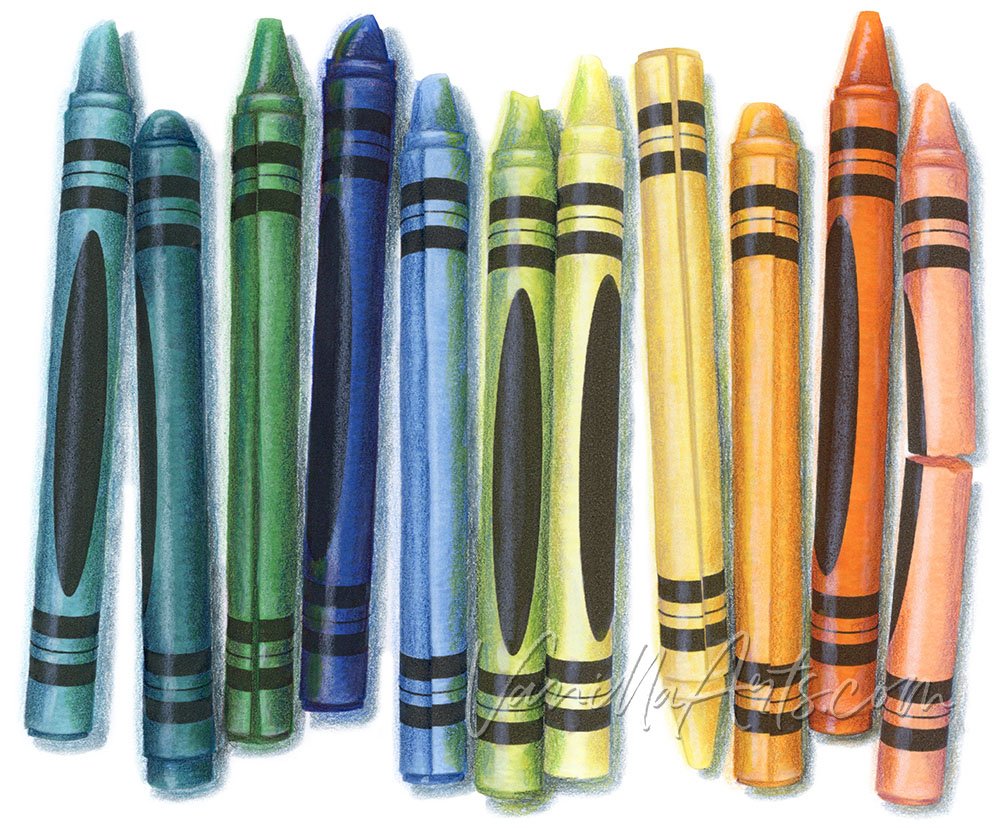
Real Crayons
You’ve learned to underpaint using Amy’s marker selections.
Now you’re being asked to pick your own underpaints and What would Amy do? is harder than it looks.
Let’s deep-dive on the logical process Amy uses to find the right color and the ideal value, every time.
INDEPENDENT COLORING WITH PHOTO REFERENCES
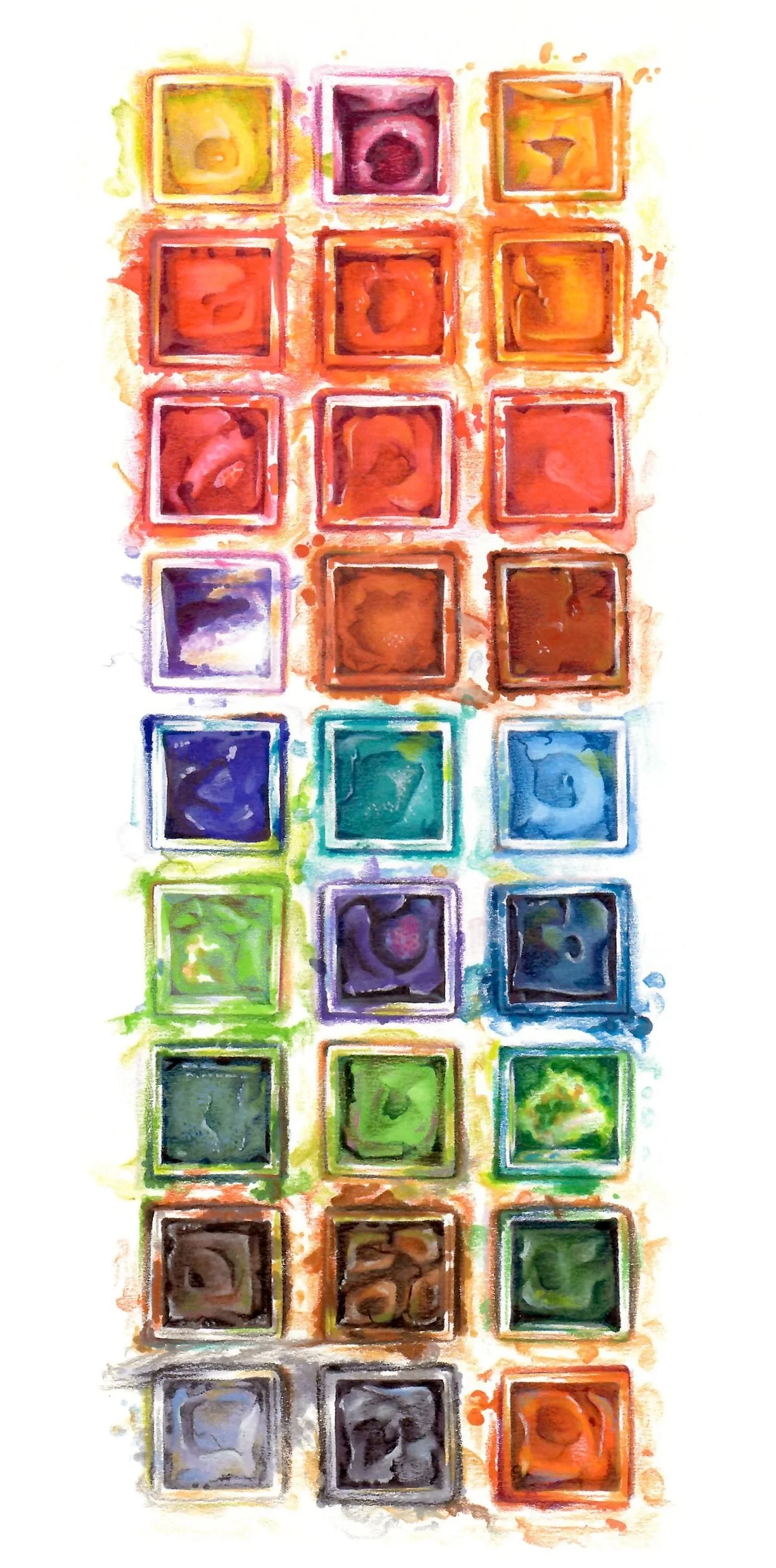
Box of Colors
Every workshop and course Amy teaches uses a photo reference…
But to be honest, you’re not always seeing the shapes and colors Amy talks about, right?
Amy shares her landscape approach to photo references, unlocking your ability to make your own color selections and sculpt reference shapes.
This course begins with gentle hand-holding and by the halfway point, you’re coloring independently with realism.
MAKE AMY-STYLE CAST SHADOWS
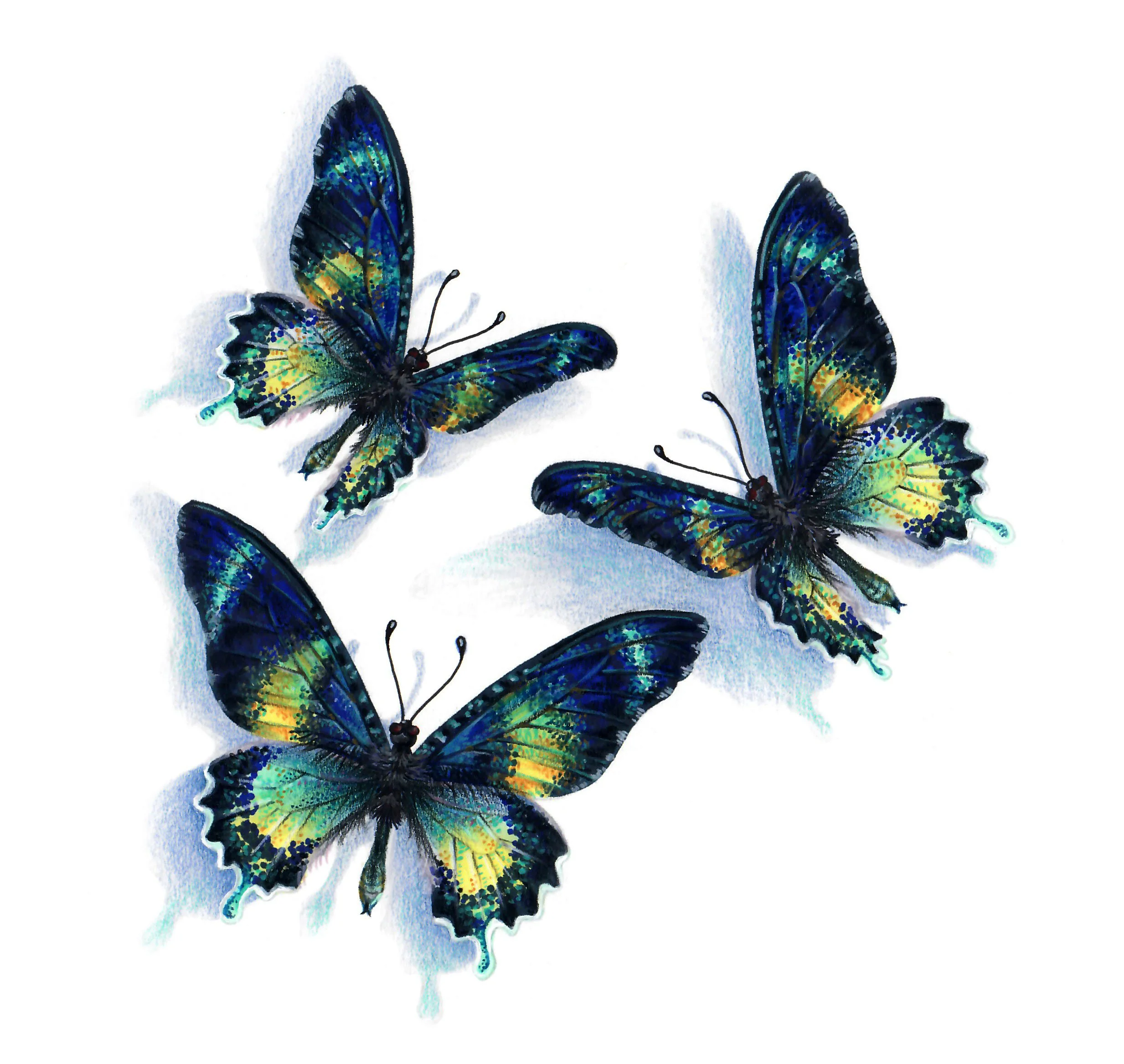
Butterfly Shadows
Learn how cast shadows create depth, separation, realism, and believable space.
This workshop focuses on one of the most overlooked realism skills in coloring: the cast shadow. Real objects cast real shadows.
COLOR WONK
Blend and Point teach tools.
The deep-dive workshops solve specific realism challenges.
Color Wonk is where everything starts working together.
This is the ongoing learning community for artists who want to keep growing beyond beginner-level coloring.
Inside Color Wonk we focus on:
realism
observation
texture and free-hand details
artistic decision-making
color behavior
problem solving
deep product knowledge
and developing an artistic mindset
New workshops, livestreams, discussions, and challenges are added regularly.
For many students, Color Wonk becomes a home base for challenges, community, and conversation.
READY FOR DEEPER ARTISTIC THINKING?
At some point, technique stops being the biggest challenge.
Most developing artists eventually discover that the real struggle becomes:
observation
color theory
confidence
voice and expression
the daily practice of art
That’s what Color Coach is designed to explore.
Color Coach is a short-form guided study program inside the Color Wonk ecosystem focused on how artists think, observe, and make creative decisions.