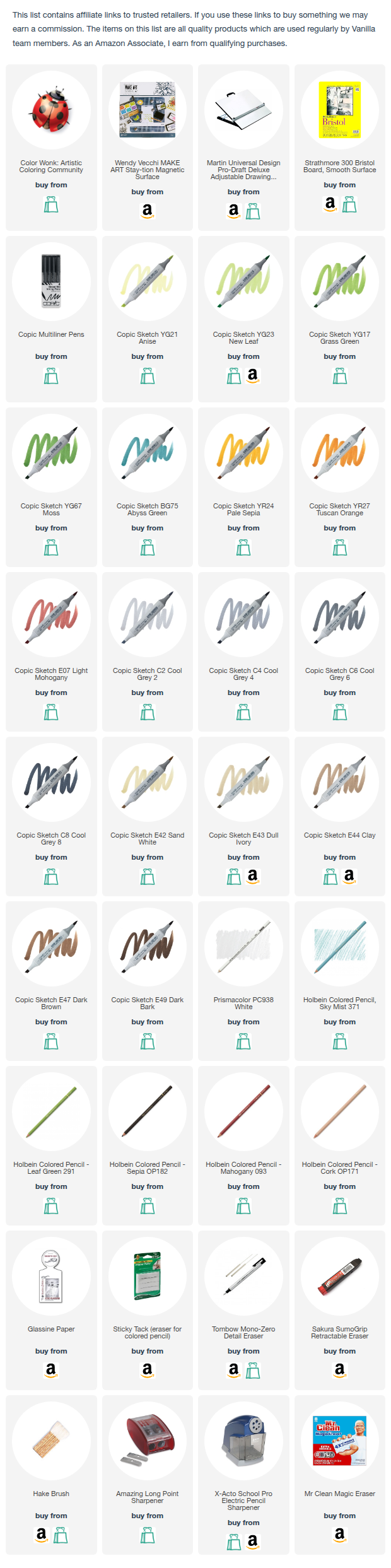
The Secret to Realism Isn’t Detail


The old “add more detail” plan didn’t add the realism you expected, eh?
It’s an easy mistake to make.
You want your coloring to look more realistic so you go to town, adding tons of tiny details…
more bricks
more wood grain
little rocks
tiny cracks in the little rocks
and maybe there’s a teeny bug living in that tiny crack?
Whoa, Nellie! You’re killin’ us with the details!
Realistic art isn’t about drawing every detail.
It’s about choosing the right details.
Maybe you’re like me— I love adding details. If there’s a detail to be done, I’m doing it.
But I know some folks get a little antsy when we talk realism.
Because realism sounds like work.
And work is ten thousand teeny tiny details.
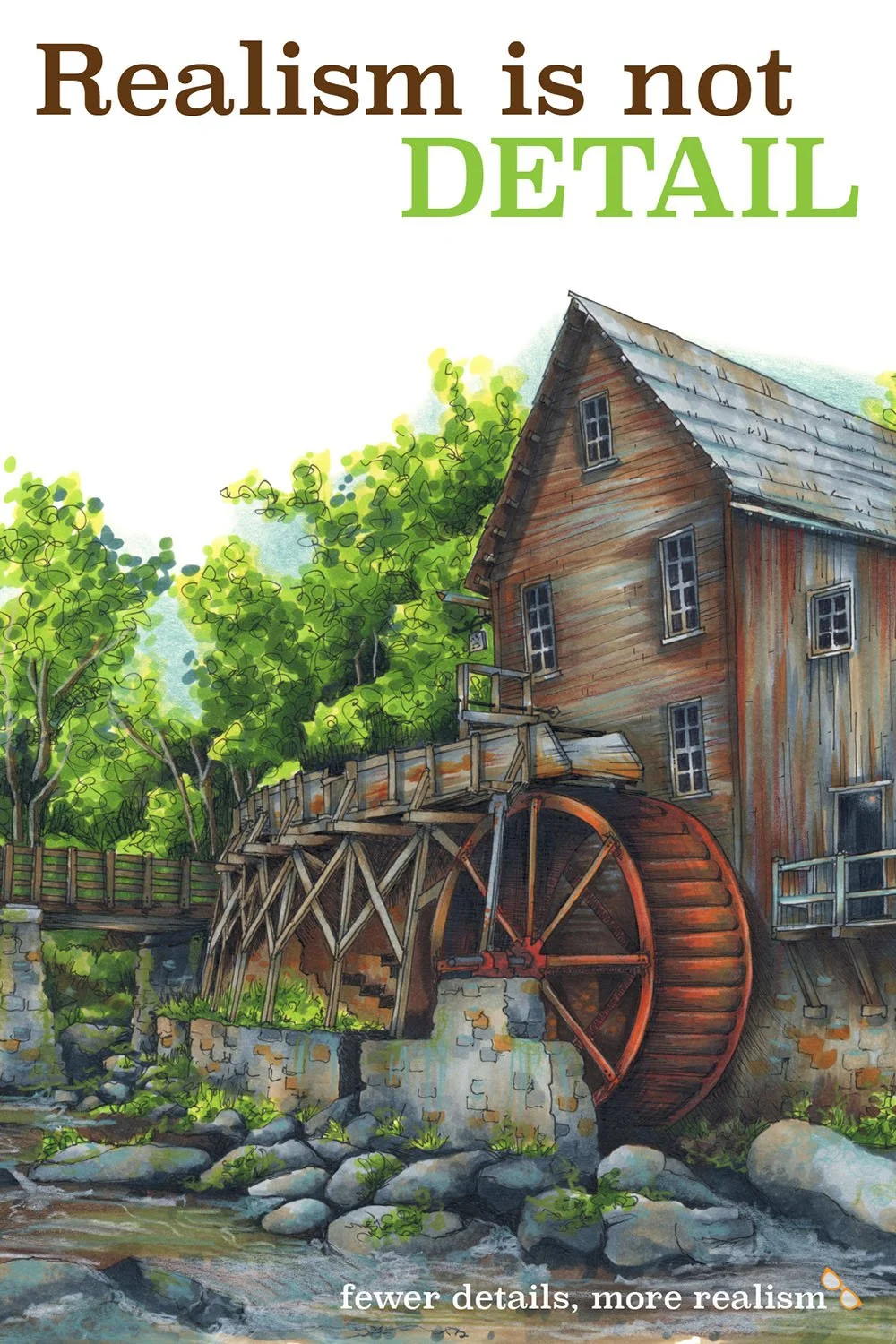
SELECTIVE DETAIL is the art of adding detail where it actually matters and gently simplifying everything else. Realism comes from the guiding the viewer’s attention to what matters most, because nobody really wants to draw 50,000 background leaves.

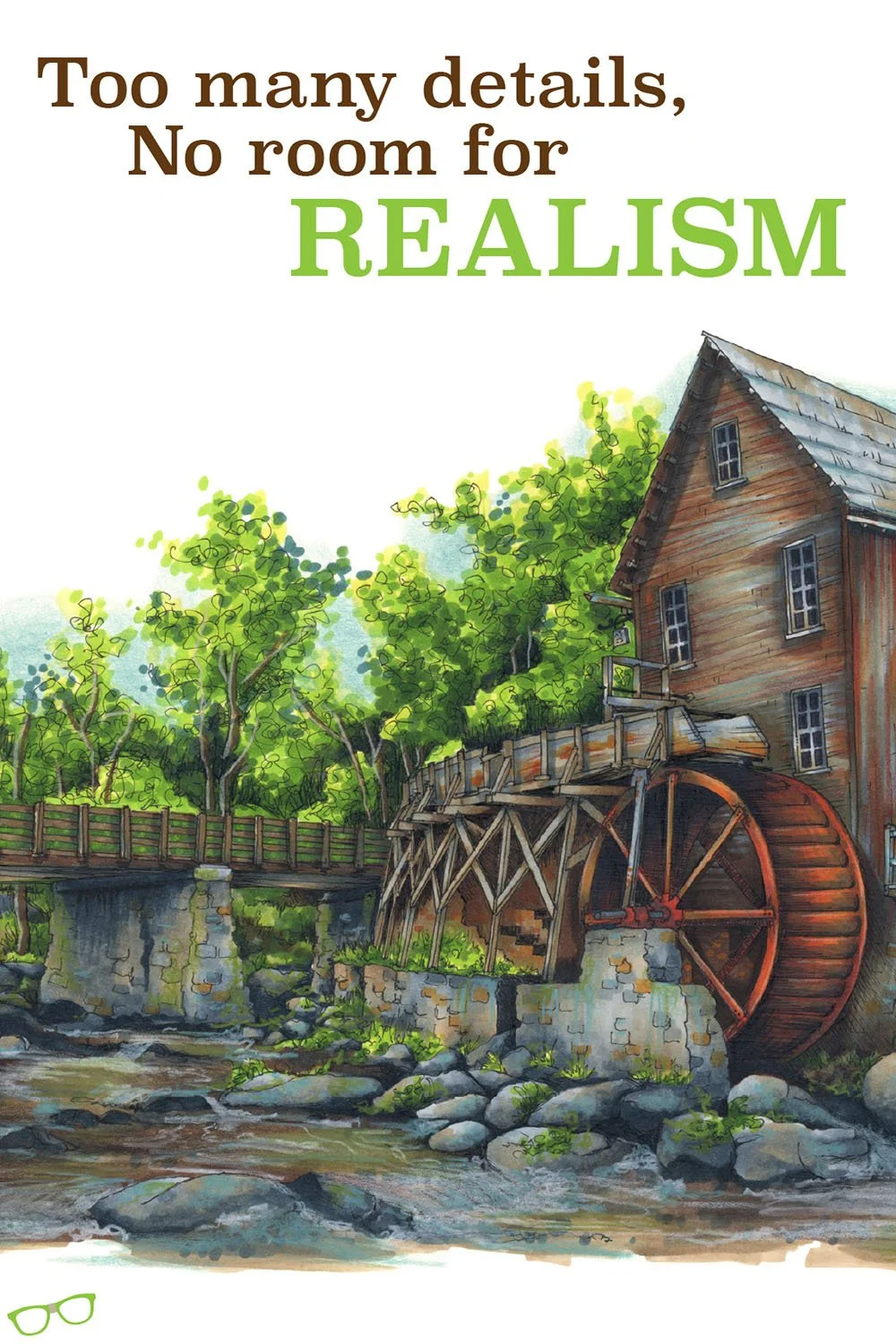
Let’s Change Our Approach:
Try this little experiment.
Pick something in the room— Your comfy chair, your 5th grade school photo on the wall, or the refrigerator.
Yes, I’m a little hungry, but stick with me here…
Just look at the fridge. Don’t move your head or your eyes, this is the hard part.
Without moving your eyeballs, take note of the room around the refrigerator. And yes, the dirty dishes are still there.
Are these peripheral objects in sharp focus?
And yet the room still looks real, right?
Bingo.
Artists practice this Still Eye technique to separate details from clutter.
Don’t show us everything. Show us what’s important.
Why It Works:
For starters, you are not a camera.
Don’t drive yourself nutty trying to compete with the camera in everyone’s pocket.
A photograph captures every detail everywhere which is why most of the photos you take don’t feel frame-worthy.
Meanwhile paintings and drawings feel special because the details are limited to what’s most important.
But here’s the other thing and to be painfully honest, I’ve learned this the hard way.
How do I say this nicely?… When we add too many details, coloring starts to look a little… gross. We call this the Uncanny Valley. Someone draws every eyelash, every tooth, and every hair in both nostrils. It gives people the heebie-jeebies.
The human brain is funny. We like a good detail.
But we love simple spaces and moments of rest in every painting, places to imagine the details ourselves.
When you draw every everything, there’s no room for audience participation.
Fewer details actually feel like more detail when you let the viewer finish the story.
And that’s the real key to realism. It’s not what you add, it’s what the viewer adds.

Supplies used in Old Mill
Copic Alcohol Markers
Prismacolor Premier & Derwent Lightfast Colored Pencils
Smooth Bristol Board
Full supply list with specific colors at the bottom of this page.
Today’s article was just a quick tip, giving you permission to leave a few areas of your next project clean and simple.
You’ll enjoy the coloring process more and your art will look better for it.
Realism isn’t built from endless detail.
Realism is a conversation between you and your audience.
Once you understand how little detail your viewers actually want, realism is so much easier!

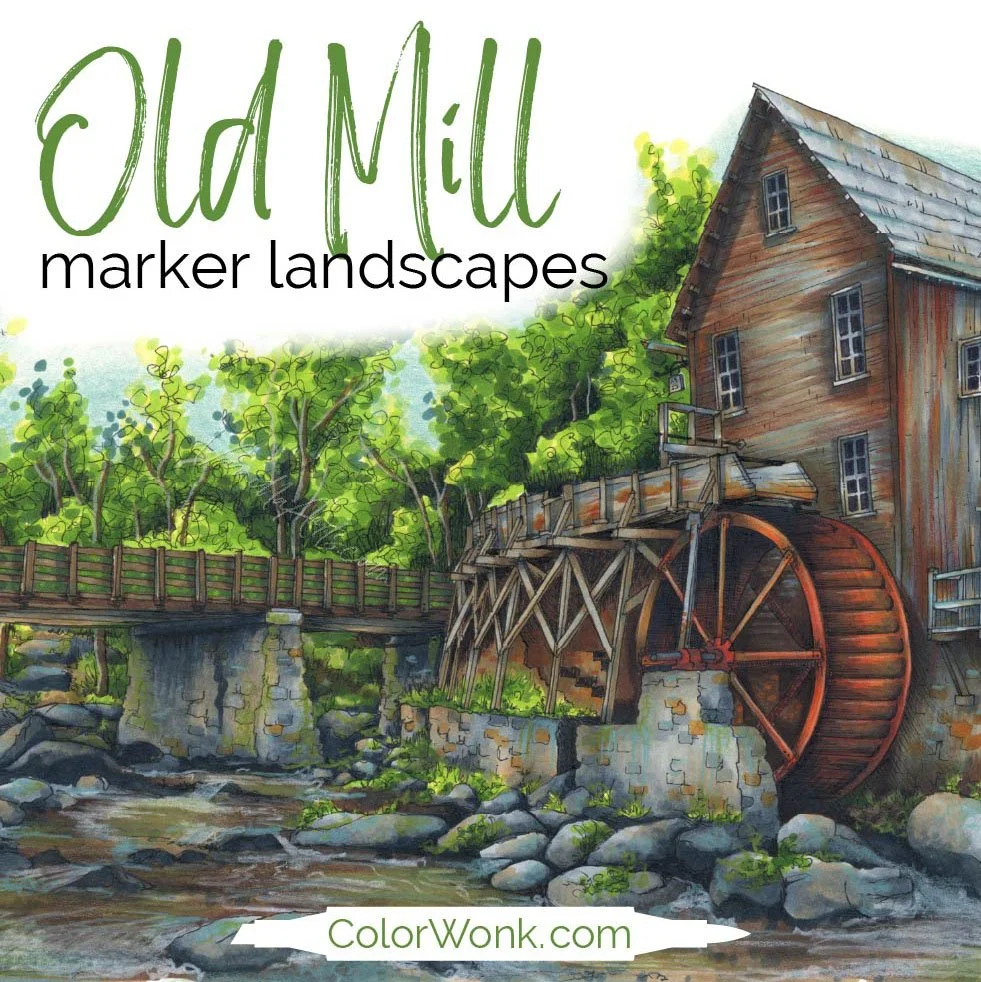
Old Mill is one of my signature workshops here at ColorWonk
ColorWonk is a monthly membership for colorists and shy artists who want to improve realism, artistic observation, and color confidence through workshops, livestreams, and a growing library of artistic education.
It’s like art school for coloring!
If you enjoy this deeper way of thinking about color, you’ll feel right at home inside ColorWonk.
New to ColorWonk? Learn how membership works.

Not ready for classes yet?
Every Saturday, I send a free color theory lesson designed to help adult colorists better understand why some coloring techniques work while others fail miserably.
It’s a simple way to improve your coloring while getting to know me and my Color Wonky style.
Get your FREE subscription to the Vanilla Beans Newsletter here and I’ll see you on Saturday!
Related Articles:
(click to read)


Supplies Used in Old Mill: